
By Caroline Hager
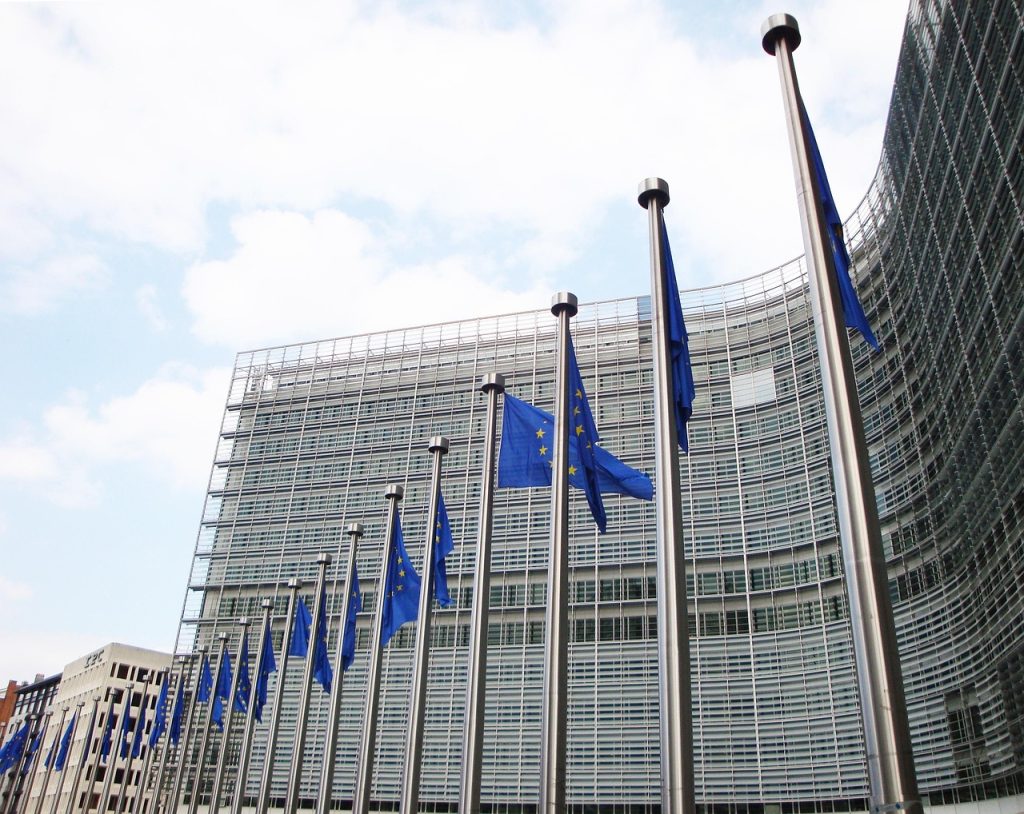
Last May, we rejoiced over the UK’s reset with the EU when they reached “a common understanding to cooperate” on a wide range of areas. In December, there was more cause for celebration when the UK and the EU agreed on the UK’s participation in the Erasmus Plus programme, a big win for young people on both sides of the Channel. In the New Year, Prime Minister Starmer acknowledged in a BBC interview that the UK should seek closer alignment with the EU single market on “an issue-by-issue, sector-by-sector basis”, a point he was keen to stress once again on his visit to China. Last week, his Chancellor Rachel Reeves made the case for a deeper trade relationship with the EU to drive economic growth. This is a real shift in Labour’s rhetoric on the EU and its manifesto’s red lines on EU cooperation: no customs union, no single market and no freedom of movement. But let’s not forget that it takes two to tango. Where do Brussels and the rest of Europe stand on the UK’s newfound enthusiasm for (parts!) of the single market and EU funding programmes?
It’s not that straightforward. The tortuous Brexit negotiations seriously damaged the UK’s relationship with the EU and left deep scars. And trust takes time to rebuild. Certainly, the common understanding has put relations on a better footing and showed that the EU wishes to cooperate with the UK. Talks on the UK’s integration into the EU’s electricity market and the UK’s alignment with the EU’s agri-food and animal health regime are moving ahead, albeit very slowly. This sector-by-sector cooperation has its limits. The EU will not allow the UK single market access by cherry-picking sectors in British interests which are not in the interests of EU member countries. In the financial services sector, Paris, Amsterdam and Frankfurt continue to benefit from the City of London’s loss of “passporting rights” in terms of assets and talent. In defence, negotiations over the UK’s participation in the EU’s Security for Action (SAFE) defence procurement programme failed in part due to intense pressure from the French defence industry, prompting the EU to demand an excessively high price for UK participation. Fortunately, the talks will reopen in the face of stark political reality of today’s volatile world. No-one can be in any doubt that Europe’s security depends on strong European defence cooperation with its allies in the face of Russia and Trump’s threats on Greenland and Europe.
The EU is understandably wary of getting bogged down in complex negotiations over separate agreements based on its experience with Switzerland. It comes as no surprise that the EU stresses that the most mutually beneficial arrangement would be for the UK to rejoin the single market. Of course it makes sense! The European Movement and many others are strongly campaigning for just that. For the UK government, however, embracing the freedom of movement that is part of the single market freedoms is a step too far and risks cries of betrayal from Brexit Labour voters. Sadly, talks with the EU on the “youth experience scheme” to allow young people to live, study and work in the UK and the EU are spluttering as a result.
Bottom line is that you cannot enjoy the benefits of the single market without obligations and financial contributions to the EU budget. EU non-members Norway, Iceland, Liechtenstein and Switzerland all make contributions to the EU to participate in the single market and EU programmes. While the UK agreed to pay into Erasmus Plus, in other areas it is resisting. There is a gap between what the EU wants the UK to pay in return for single market access and what the UK perceives as reasonable. “Both sides are transactional in their approach to the relationship […] limiting their willingness to be more creative in strengthening their partnership,” concludes Ian Bond in an article for the Centre of European Reform. Ian’s conversations with EU officials suggest that there is still a desire to punish the UK for leaving and that you cannot have your cake and eat it. The UK’s domestic politics are also a reason for EU caution over cooperation with the UK. With Reform riding high in the polls and the risk of a Reform win at the next election means any far-reaching deal could be a waste of time for Brussels. A penalty or “Farage clause” has thus been proposed by the EU as part of the agri-food/veterinary agreement to compensate the EU for any costly border infrastructure should a future UK government rip up the joint scheme.
In terms of the UK-EU reset, there is “not much radical change in EU-UK relations”, according to David Henig at ECIPE. Henig sadly notes that, “the Brussels bubble does not consider the UK too much… there are many higher priorities such as the Russian threat and war in Ukraine, the US, China, the future of Europe’s industry”. Surely, it is precisely because of global uncertainty, the Trump factor and the “rupture of the world order”, as Canadian PM Mark Carney put it aptly in his brilliant Davos speech, that Brussels cannot afford to forget the UK, an important “middle power” and a vital partner. Shout out to Keir Starmer who – whatever your views are about his domestic performance – has fully engaged with the Europeans on security issues. At this month’s Munich Security Conference, the PM stood alongside European leaders and supported Europe’s goal of strategic autonomy.
At the highest political and diplomatic levels therefore, contacts between the UK and the EU are becoming closer and the tone positive. EU Commissioner Dombrovskis on a London visit told the BBC that Brussels would be “open-minded” to closer trade ties with the UK, including the possibility of working together on a customs union. And media reports from around Europe suggest several European countries would welcome deeper ties with the UK such as Germany which signed a friendship treaty with the UK last year. The Nordic and Baltic countries also enjoy good relations with the UK and recognise its role for their security. Pedro Sanchez, the Spanish PM, has been most explicit saying he “absolutely” supports the UK rejoining the EU and that Spain “misses the UK within the Union” and he sees a “clear need to have the UK on board again, especially nowadays.” While other EU governments are not publicly supporting the UK rejoining, opinion polls in Germany, France, Italy and Denmark show that the majority of their citizens would welcome the UK back in the EU.
What is the outlook for the EU-UK relations? In today’s stormy geopolitical climate, I predict a gradual lifting of the clouds with sunnier times ahead as both the UK and the EU recognise that their closer partnership is a necessity. Just don’t forget the umbrella for sudden rain showers.


