
By Ann Higgins
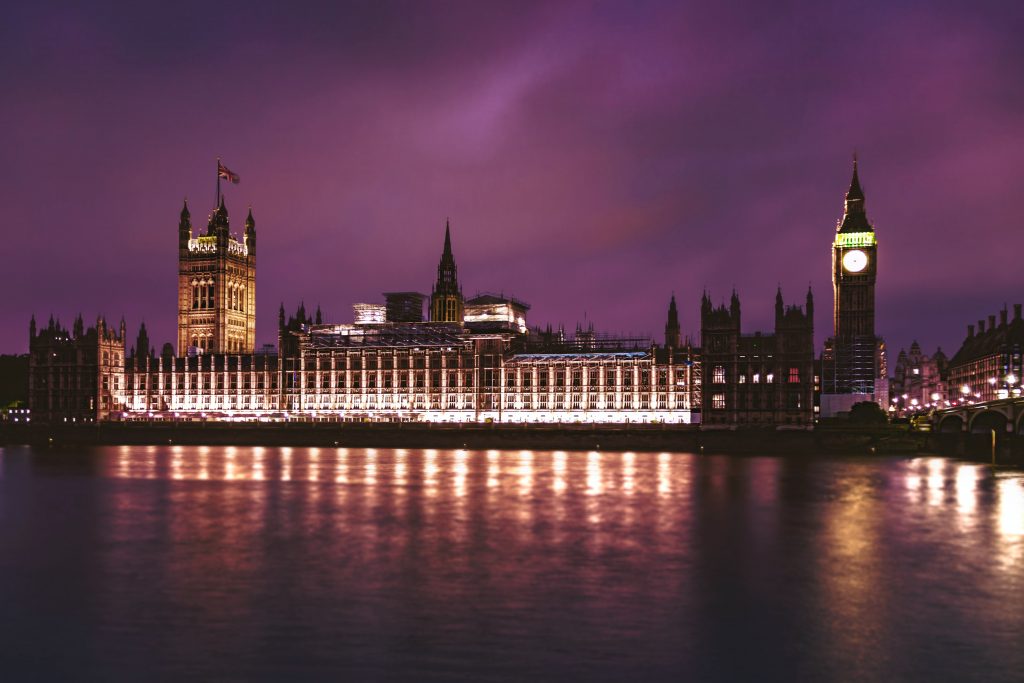
Photo by Deniz Fuchidzhiev on Unsplash
As I may have mentioned before, I have a habit of rereading last month’s article to remind myself of what we were concerned about just a month ago, and this time I was quite shocked to see how few of the issues that were foremost in our minds then are making headlines now. Where did the controversy about Trump’s ambitions to take over Greenland go? Or the Chagos Islands?
And be honest – who had the Epstein papers causing the downfall of the former Lord (now plain Peter) Mandelson on their bingo card, let alone the peril of losing his job in which our PM suddenly seemed to find himself? A point that I have read several times in the US press is that while the Epstein papers are having concrete effects outside the US, not just in Europe but in the Middle East where for example a billionaire tycoon in the UAE was forced to resign after they showed his close relationship and communications with Epstein, in the US despite the number of times their names are mentioned (and not just because they feature in articles or third party material), for those at the top it’s business as usual, with Trump who is apparently mentioned over one million times refusing to answer any questions about them saying “I wasn’t there”.
Despite our domestic drama, much of which I suspect is created or at least amplified by social media bots (analysis of the platform formerly known as Twitter showing that up to 64% of posts on some political threads may be from fake accounts) the business of government continues, with the government introducing its Representation of the People Bill which as well as aiming to extend voting to 16- and 17-year-olds in England and N Ireland (they can already vote in Scotland and Wales) will try to make registering to vote easier, and clean up the murky world of political donations. However, as pointed out by the Election Reform Society, it does not address one substantial problem in our electoral system, namely the lack of proportional representation. Though looking at how current polls suggest the next elections might turn out, there is every possibility that the government will suddenly find it quite attractive, despite its long opposition to it for national elections.
Meanwhile at the Munich Security conference, with both Starmer and Macron talking about reopening talks on the UK rejoining Security Action for Europe (the EU rearmament scheme), Sir Keir told the assembled world leaders that “We are ten years on from Brexit, we are not the Britain of the Brexit years”. Amen to that.
News flash
Of course, there won’t be many people in the UK who haven’t heard that the man who was once Prince Andrew was arrested for misconduct in public office. The public office in question turned out not to having been born a prince, but to be acting as a trade envoy for the UK between 2001–11 when he resigned after the first allegations against Jeffrey Epstein started to emerge.
Per The Guardian the initial allegations are based on emails released recently which “appeared to show Mountbatten-Windsor sharing reports of official visits to Hong Kong, Vietnam and Singapore. Another email appeared to send Epstein a confidential brief on investment opportunities in the reconstruction of Helmand Province, Afghanistan.” However, we are now told that investigations are being widened to include whether there is evidence that he was involved in human trafficking. His birthday has got substantially worse, if that were possible.
Several interesting legal issues arise including the statute of limitations for misconduct in public office, and what if any steps can be taken in respect of alleged offences committed outside the UK. More pitfalls for those contemplating launching such a prosecution are helpfully set out here by the BBC.


