
By Ann Higgins
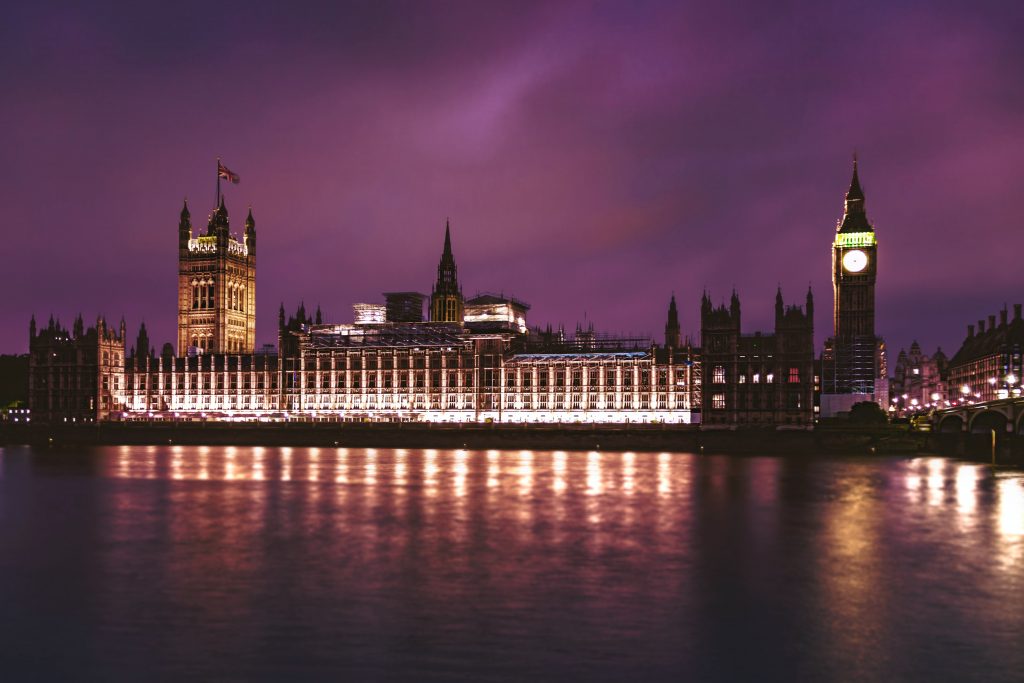
If you’re anything like me, most current news bulletins will find you cowering behind the sofa just like I did when I was watching Dr Who back in the 1960s, though that was rather less scary as the main character was sane. Despite the best efforts of Mike Johnson, first Speaker of the US House of Representatives to address the UK Parliament, it’s impossible to ignore Trump’s latest sallies on Greenland, and his volte face over the Chagos Islands deal, which he was praising only six months ago. But perhaps the most shocking event of the last 24 hours was Nigel Farage criticising Trump’s threats to seize control of Greenland and slap tariffs on allies who disagree with him risked shredding relations between the US and fellow NATO members. As reported by POLITICO ‘“Friends can disagree in private, and that’s fine. That’s part of life, part of politics,” Farage told the senior Republican, who is set to address the British parliament Tuesday. “But to have a US president threatening tariffs unless we agree that he can take over Greenland, by some means, without it seems even getting the consent of the people of Greenland … this is a very hostile act. There’s no other way I can put it.”’ I certainly didn’t have that on my 2026 Farage bingo card.
So after all this excitement I thought that we might turn away from the increasingly worrying arena of world politics and look at the controversy over the proposal for the government to allow some local authorities to postpone their elections for a year due to local government reorganisation. Contrary to what many highly inaccurate headline writers want us to believe, this is not an initiative of the current government, there are not 69 councils involved, and no decisions have yet been made.
When the same exercise was carried out last year only 50% of the councils which applied were allowed to postpone, and of the 136 councils which are due to hold elections in May, according to LocalGovernmentLawyer.org, 63 were asked by the government if they wanted to apply and 23 made applications, with a further seven being asked to clarify their responses by 20 January, the official closing date having been 15 January.
Why, you may ask, are postponements being considered at all, and is it legal? Under the Local Government Act 2020, the Secretary of State has power to change the year of local elections using delegated legislation and there are no criteria set out in the legislation governing the criteria which can be applied. In the past, postponements have been caused by war, disease and political changes. In this case, the reason is the government’s plans for local government reorganisation creating new unitary councils out of several smaller ones which was set out in its manifesto and may lead to councils elected this year lasting less than 12 months, requiring another expensive election.
It’s not clear when the decision to allow or disallow these applications will be made but, while most of those which have applied are Labour-run, some are Tory or LibDem. A great deal of criticism has been aimed at the government particularly in Reform quarters and echoed by the LibDems and Greens, for proposing any postponements. Indeed, Reform has announced that they are planning on suing the government to prevent the postponements, with the hearing at the High Court scheduled for next month. If the result is available before our next edition, I will of course inform you of the outcome – hopefully not from behind the sofa.


