
By Ann Higgins
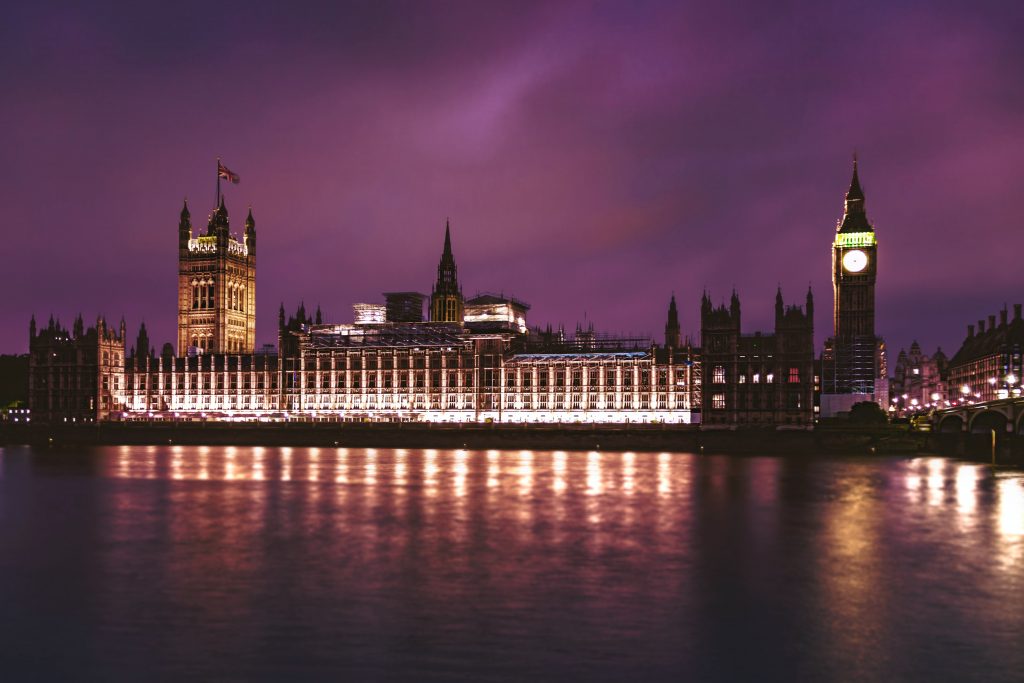
Photo by Deniz Fuchidzhiev on Unsplash
It’s hard to know what to focus upon this month – as I write we await with bated breath an announcement from Rishi Sunak that he is calling a general election in early July. Watch this space!
Meanwhile, I have a deadline to meet and copy to write. Up until today the most exciting thing that had happened in the last few weeks was Natalie Elphicke, Tory MP for Dover, walking across the House just before PMQs and taking her place on the Labour benches. “Do they have to accept her?” I hear you ask. Good question and not one to which I’ve been able to find a definitive answer, but trying to apply some commonsense to the issue, it’s fair enough to assume that if Jeremy Corbyn tried to join the Tory ranks the Conservative Party would have a say in it. Was Labour right to accept her? If visitors to our last street stall are anything to go by our readership is likely to be pretty well equally divided between those in favour, those against, and the undecideds. But whatever one might think about it, as she will not be standing in the next election, it’s not going to have any long-term influence if the current rumours are correct.
She did however have a short-term impact in a recent vote upon what should trigger the suspension of an MP for an offence of violence or sexual assault: a formal charge as proposed by the government or arrest as proposed in an opposition amendment? In the event, the amendment was carried by just one vote, the opposition including Ms Elphicke being joined by 6 Tory MPs. Was her defection pivotal? Might she have joined Theresa May and seven other Tories in the Opposition lobbies? We will never know.
That was by no means the government’s only recent setback. Just a week or so ago a Northern Irish judge disapplied a large part of the Illegal Immigration Act in Northern Ireland, finding that much of it was incompatible with the ECHR, breached the Windsor Framework and diminished the rights of asylum seekers as guaranteed by the Good Friday Agreement.
Only a few days later, another judge, this time Mr Justice Saini sitting in the High Court in London, decided that when Trudi Warner, a climate change protestor supporter, stood outside court holding up a placard setting out the right of a jury to acquit a defendant “according to their conscience” had no case to answer on a charge of contempt of court. He found that she had made no attempt to approach or interfere with jurors and that her placard did no more than state the law which was decided as long ago as 1670. However, despite the judge’s finding that the government had mischaracterised Ms Warner’s actions, the government said that it was considering an appeal.
And just yesterday, two other High Court judges ruled that, when she was Home Secretary, Suella Braverman exceeded her powers when she used a statutory instrument aka Henry VIII powers to alter the definition of “serious disruption” in the most recent Public Order Act to “more than minor”. This brought far more people within the scope of the legislation, though the Lords had rejected this wording and the government did not pursue it in the Commons. This had led, according to the judges, to the risk to protestors of having conditions placed upon them or being prosecuted contrary to the wishes of Parliament and was thus unlawful.
**YES – SAVE THE DATE – IT’S 4 JULY!** – ** YES – SAVE THE DATE – IT’S 4 JULY!**


