
By Ann Higgins
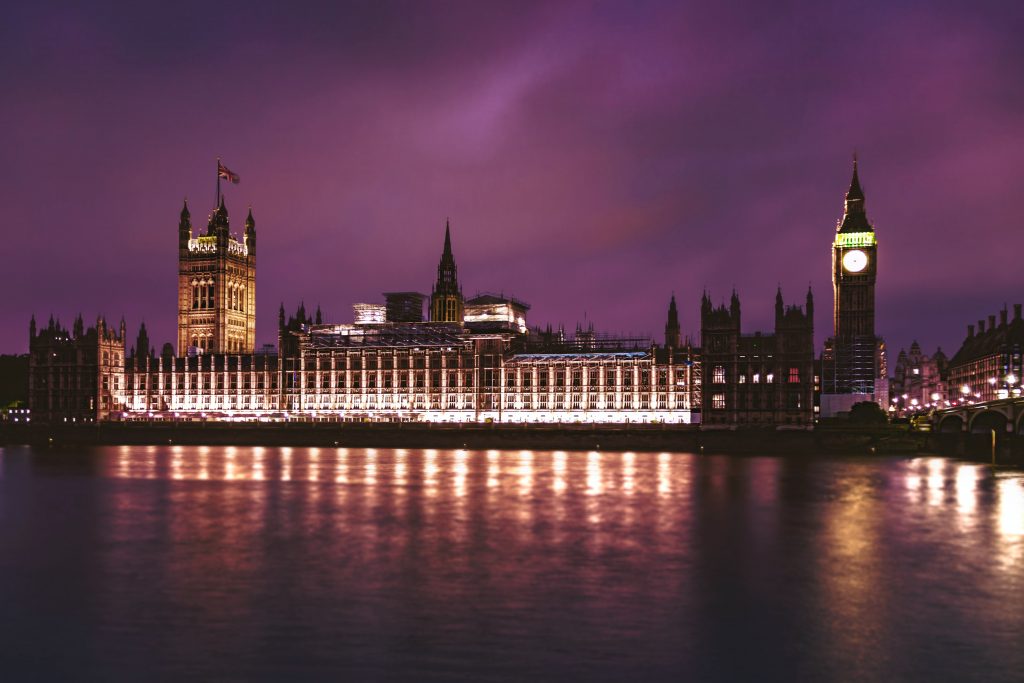
Photo by Deniz Fuchidzhiev on Unsplash
One of the hazards of writing a monthly article is that by the time it’s published it might very well have been overtaken by events. Our current political scene is a perfect example, with news about the Labour leadership challenge changing daily, if not hourly.
As things stand at the time of writing, it looks like there may very well be three candidates if it goes ahead: Keir Starmer, Wes Streeting, and Andy Burnham. Contrary to what was being said four months ago when Burnham expressed a desire to stand for the then vacant seat in Gorton and Denton, it appears now that he would not have to resign his position as Mayor of Manchester before standing in the by-election Makerfield triggered by the resignation of his supporter Josh Simons. He has also been cleared by Labour’s National Executive Committee to stand as a candidate, which was denied him back in January.
So what is the procedure for electing a new Labour leader? PoliticsHome explains it like this:
“There are two main paths to replacing a Labour prime minister, with the process differing significantly from that of the Conservative Party, which held multiple leadership elections during its time in power between 2010 and 2024.
“A leadership contest can be triggered by either Starmer resigning or by another Labour MP gaining the support of 81 MPs – or 20 per cent of sitting Labour MPs – to challenge him for the leadership. Before 2021, an MP only needed the support of 10 per cent of the Parliamentary Labour Party to stand.
“The candidates must then secure nominations from five per cent of Constituency Labour Parties or three affiliates comprising five per cent of Labour’s affiliated membership (including two trade unions).
“The final stage is a vote among party members and affiliates. An alternative vote system – also known as a preferential ballot – is used, in which the selectorate ranks their preferred candidates. Voters only have one vote. Votes are then redistributed by ranking until one candidate receives over 50 per cent of the vote; the candidate that reaches the threshold first wins the leadership contest, becoming Labour leader and prime minister of the United Kingdom.”
The time this is likely to take may cause concern to many – firstly there are the five to six weeks needed for a by-election – and then a minimum of three months for the leadership election. This will doubtless give Reform and the Tories plenty of scope to attack the government, ably assisted by their many friends in the mainstream media. That is not going to make the PM’s job any easier at home or abroad. As CfE does not support any party, it is not for us to involve ourselves in the merits of the candidates, but I anticipate that, like me, many readers will be concerned that any contest is going to destabilise the government and bring the prospect of a Reform government closer, something I suspect none of our readers want – and for good reason.
So if it does go ahead, what do we know about the positions of the likely candidates? Keir Starmer has said very little so far, while Wes Streeting has already set out his stall, calling for Labour to be bolder in confronting racism and for rejoining the EU, describing Reform as “an existential threat to the future integrity”. Of the three putative candidates, Andy Burnham has provided the most detail, with pledges to put utilities, housing and public transport back under public ownership, more government investment in infrastructure and industry, putting the top tax rate up to 50% and creating a 10% starter rate. He also proposes radical constitutional reform, with the abolition of the House of Lords entirely and the introduction of PR, as well as rejoining the EU. Doubtless more will emerge if and when he wins the Makerfield by-election.
So that’s what I have managed to discern to date. I’m left wondering if anything I have written will be relevant by the time you read it!


