
By Ann Higgins
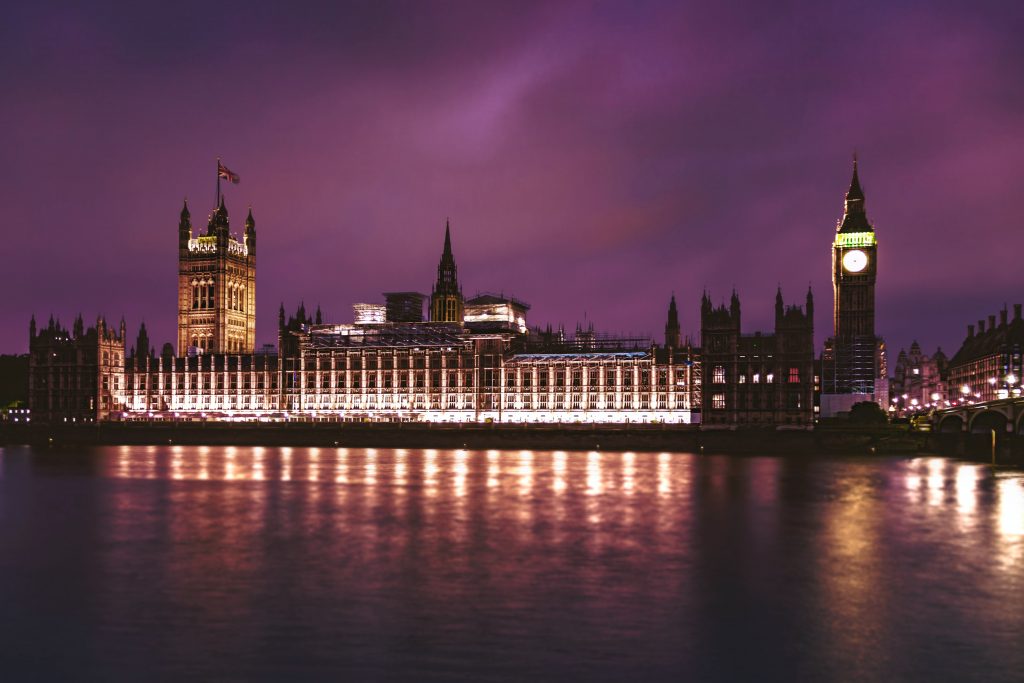
Photo by Deniz Fuchidzhiev on Unsplash
Picture the scene, dear reader. Just two days to go until the deadline for submitting articles to our editor and there I was pouring over my desk (or rather dining room table) struggling to find something more exciting with which to entertain you than the list of draft legislation that our monarch was compelled to read out through gritted teeth at the opening of parliament. Then enter, stage right, our combative Home Secretary (other adjectives are available) who, after a tumultuous weekend, suddenly found herself on the backbenches, sacked by the PM ostensibly for publishing an article in the Times for which no authority from No 10 had been obtained. Was she angling at being sacked when she accused the police of favouring of non-right wing causes? When she talked about the tough policing of football fans compared to the light touch received by “politically-connected minority groups” was she deliberately echoing a certain American ex-President with his call to the far right Proud Boys to “stand back, stand by”? Whatever her intentions, her goose was well and truly cooked when officers who should have been policing the main march calling for a ceasefire (which thankfully went off almost without incident) were instead fighting off the 3,000-odd EDL and other far right protestors who had taken it upon themselves to try to protect the Cenotaph from a march that was going nowhere near it.
Then hard upon the heels of the reshuffle, which finds James Cleverly moved from the Foreign to the Home Office, we have the Supreme Court judgement in the Rwanda case which unanimously dismissed the government’s appeal. Quite something to face on your third day in office. The judgement will probably be a disappointment to the right of the party, as it was based firmly on the principles of UK and international law rather than invoking the ECHR which was firmly in their sights. It also states that, on the basis of the available evidence, the High Court should never have found that Rwanda was a safe country due to the risk of refoulment (returning asylum seekers to their country of origin where they could face persecution) and other factors raised by the UNHCR which the High Court decided not to admit into evidence. Whether nonetheless they continue their efforts to try to take us out of the ECHR to join Russia and Belarus as the only non-signatories in Europe remains to be seen.
Talking of the new cabinet, when David Cameron was appointed as Foreign Secretary questions were immediately asked how it was that someone who was neither member of the Commons or Lords could be in government. Quick as a flash, he was made a peer but, even so, he will not be able to be questioned in the Commons by elected MPs. This problem is usually circumvented by more junior ministers making statements to the HoC or facing Foreign Office questions, but it is highly unsatisfactory particularly at a time of heightened international tensions.
In all this it’s possible that other important developments may be overlooked. Yet another serious inroad into our liberties came to light last week when it was revealed that the Cabinet Office intends to try to redefine extremism as “the promotion or advancement of any ideology which aims to overturn or undermine the UK’s system of parliamentary democracy, its institutions and values,” a definition so wide as to be capable of covering almost anything that the government decides it doesn’t like.
Finally, dear reader, if after all this excitement you retain any interest in the bills that the government seeks to put through the next session of parliament (depending on the date of the next general election of course), I can recommend this article from the Institute for Government, sets out the bills along with a short discussion of the wider issues.
STOP PRESS: In a somewhat contradictory statement a few hours after the Rwanda judgement was handed down, Rishi Sunak announced firstly that the government wholly accepted the judgement and secondly that he would shortly introduce emergency legislation to declare Rwanda a safe country for asylum purposes. Given that the main thrust of the judgement is that Rwanda is not a safe country this seems somewhat contradictory and, like me dear reader, you may be wondering whether or not seeking to overturn a court judgement undermines our system and values and therefore might be seen as falling within the government’s novel definition of “extremism.” For a deeper analysis of what the government may [or may not] be planning, more here:


